

Why a Screening Colonoscopy Could Save Your Life
A screening Colonoscopy is one of the most effective ways to prevent colon cancer—often before cancer even develops. Because colorectal cancer can grow silently for years without causing symptoms, many people don't realize they have a problem until the disease is more advanced.
The good news is that routine screening can detect and remove precancerous polyps before they become cancerous, making colonoscopy one of the few screening tests that can actually prevent cancer.
If you have friends or family members who have been delaying their screening, consider sharing this article on social media. A simple reminder could encourage someone to take a potentially life-saving step.
Why Is a Screening Colonoscopy So Important?
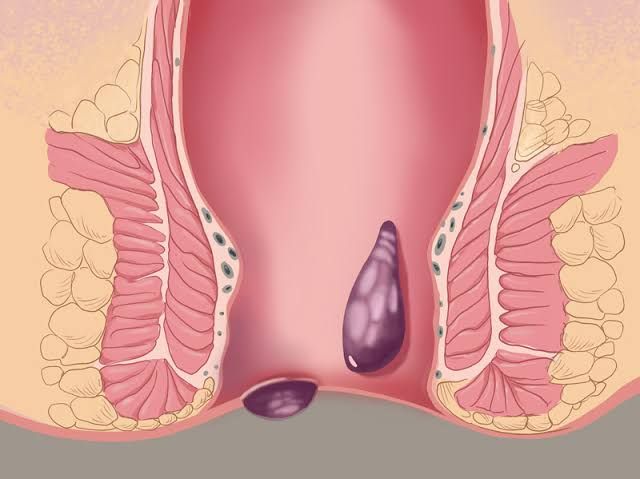
Most cases of colon cancer begin as small, noncancerous growths called polyps. While many polyps remain harmless, some gradually develop into cancer over several years.
A Colonoscopy allows your gastroenterologist to examine the lining of the colon using a thin, flexible camera. If polyps are found, they can often be removed immediately during the same procedure, significantly reducing the risk of future cancer.
This ability to both detect and prevent disease is what makes colonoscopy the gold standard for colorectal cancer screening.
The U.S. Preventive Services Task Force (USPSTF) recommends routine colorectal cancer screening for adults beginning at age 45 and continuing through age 75, depending on overall health and individual risk factors.
Who Should Get Screened—and When?
For adults at average risk, screening generally begins at 45 years old.
However, some individuals should begin screening earlier or undergo colonoscopy more frequently, particularly those with:
- A first-degree relative diagnosed with colon cancer or advanced colon polyps
- A personal history of colon polyps
- Crohn's disease or ulcerative colitis
- Certain inherited conditions such as Lynch syndrome or familial adenomatous polyposis (FAP)
The American Cancer Society also recommends starting regular colorectal cancer screening at age 45 for adults at average risk. Depending on your medical history and preferences, screening may involve stool-based testing or a visual examination such as a Colonoscopy.
If you're unsure about your personal risk, speaking with a gastroenterologist is the best way to determine the most appropriate screening schedule.
What Happens During a Screening Colonoscopy?
Many people postpone their colonoscopy because they feel nervous or uncertain about the procedure. Fortunately, it is generally safe, well tolerated, and performed on an outpatient basis.
During the exam:
- You receive sedation to keep you comfortable.
- The procedure usually takes about 20 to 40 minutes.
- Most patients remember little or nothing afterward.
- You'll return home the same day with someone to drive you.
Preparing for Your Colonoscopy
Proper bowel preparation is one of the most important parts of a successful colonoscopy.
Your physician will typically recommend:
- A clear-liquid diet the day before the procedure
- Drinking a prescribed bowel-cleansing solution
- Following preparation instructions carefully to ensure the colon is completely clean
A well-prepared colon allows your doctor to detect even small polyps that might otherwise be missed.
Frequently Asked Questions
Is a Colonoscopy painful?
Most patients experience little to no discomfort because the procedure is performed under sedation.
Is it safe?
Yes. Serious complications are uncommon, and for most people, the benefits of preventing or detecting colon cancer far outweigh the risks.
What happens if a polyp is found?
In many cases, polyps can be removed immediately during the procedure. They are then sent to a laboratory for analysis to determine whether additional follow-up is needed.
Colon Cancer Often Has No Early Symptoms
One of the biggest misconceptions about colon cancer is that you only need screening if you feel sick.
In reality, early colorectal cancer and precancerous polyps often cause no symptoms at all. That's why routine screening is so valuable—it identifies problems before symptoms appear and when treatment is most effective.
However, if you experience symptoms such as:
- Rectal bleeding
- Persistent changes in bowel habits
- Unexplained iron-deficiency anemia
- Ongoing abdominal pain
- Unexplained weight loss
You should seek medical evaluation promptly. In these situations, your physician may recommend a diagnostic colonoscopy, which differs from routine screening.
Take the First Step Toward Prevention
A screening Colonoscopy remains one of the most effective ways to prevent colon cancer through the early detection and removal of precancerous polyps.
Most adults should begin screening at age 45, while individuals with certain medical or family histories may benefit from earlier evaluation.
If you're due for your screening or have questions about your personal risk, our team is here to help. Complete the contact form on our website to schedule a consultation and learn whether a screening colonoscopy is right for you.
Early detection saves lives—and prevention starts with a simple screening.