

Orbera Gastric Balloon Safety for Weight Loss: Risks, Benefits, and How to Prepare
If you're considering a gastric balloon for weight loss, one of the first questions you may have is: Is it safe?
The Orbera® Gastric Balloon is a widely used, non-surgical weight loss option designed to help individuals who have struggled to achieve sufficient results through diet and exercise alone. While it has a strong safety profile when placed by qualified healthcare professionals, it is important to understand its benefits, potential side effects, and risks before making a decision.
In this article, we'll explain how the Orbera Gastric Balloon works, what side effects to expect, who may be a good candidate, and why nutritional support plays a critical role in achieving safe and successful results.
What Is the Orbera Gastric Balloon?
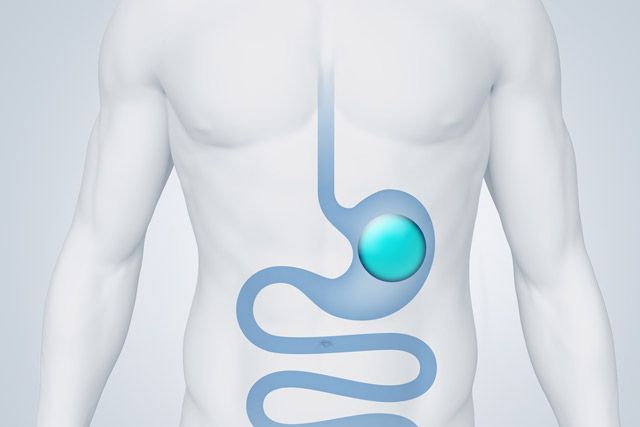
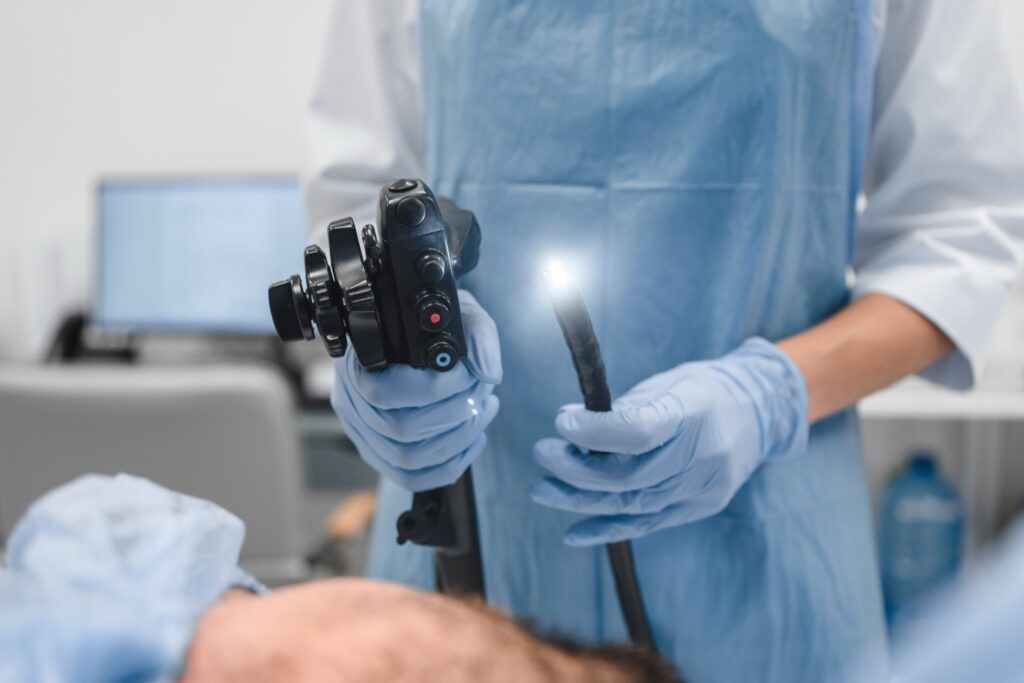
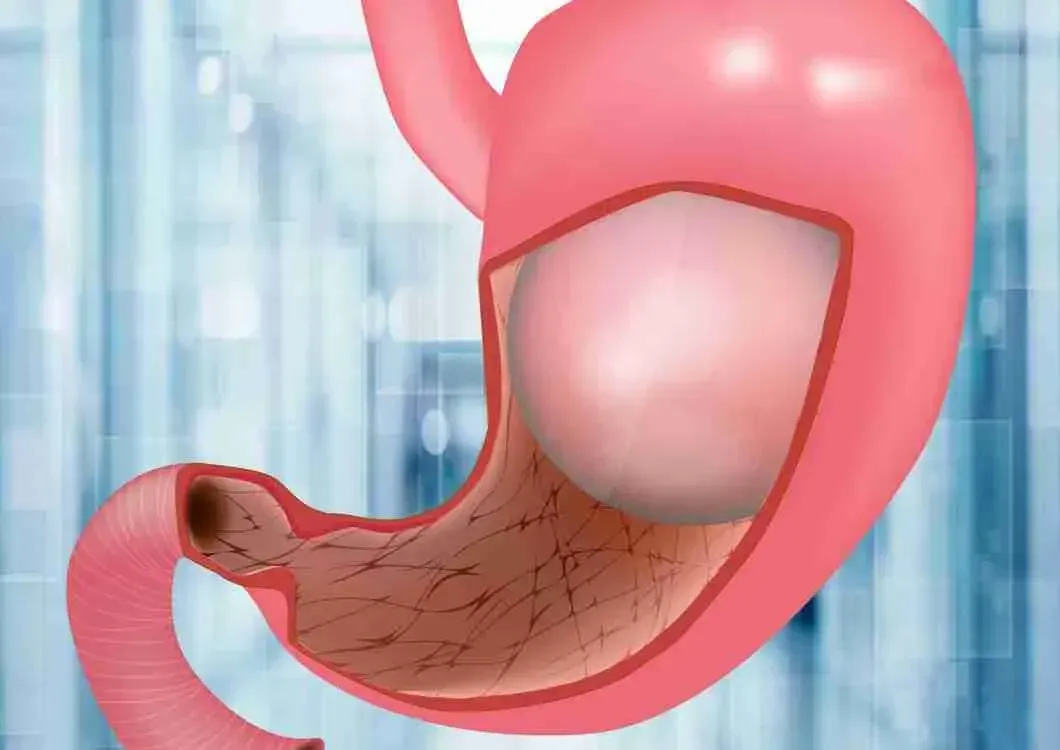
The Orbera Gastric Balloon is a soft silicone device that is placed inside the stomach through an endoscopic procedure, without the need for surgery or incisions.
Once inserted, the balloon is filled with sterile saline solution, occupying space in the stomach and helping patients feel full sooner during meals. This increased feeling of fullness can support portion control and encourage healthier eating habits.
The balloon remains in place for a predetermined period and is later removed through a second endoscopic procedure.
According to the Mayo Clinic, intragastric balloons are a non-surgical weight loss option and should be used as part of a comprehensive program that includes nutrition and lifestyle modifications.
How Safe Is the Orbera Gastric Balloon?
Most patients complete treatment without serious complications. However, it is important to distinguish between expected side effects during the initial adjustment period and less common risks that may require medical attention.
Common Side Effects
During the first few days after placement, the body adjusts to the presence of the balloon. It is common to experience:
- Nausea
- Vomiting
- Abdominal cramping or discomfort
- Acid reflux or heartburn
- A pronounced feeling of fullness
These symptoms are usually temporary and often improve within the first week with proper hydration, dietary modifications, and medications prescribed by your healthcare provider.
Close follow-up during this period is important to help prevent complications such as dehydration.
Potential Risks and Complications
Although uncommon, potential risks associated with gastric balloons include:
- Irritation or ulceration of the stomach or esophagus
- Balloon deflation or migration
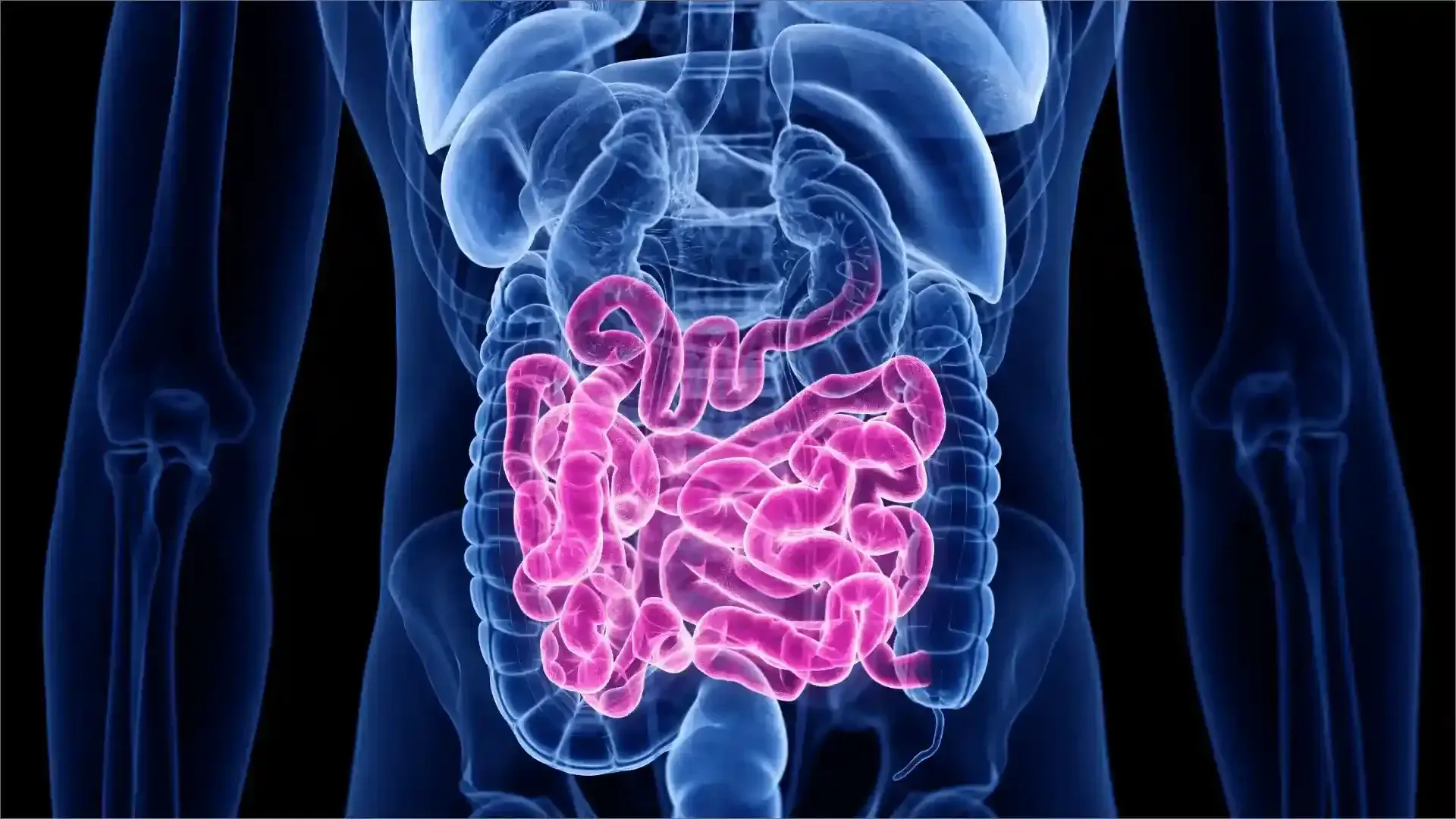
- Intestinal obstruction (rare but potentially serious)
- Complications related to endoscopy or sedation
The U.S. Food and Drug Administration (FDA) emphasizes the importance of appropriate patient selection and ongoing medical supervision to minimize these risks.
Warning Signs: When to Contact Your Doctor
After balloon placement, seek medical attention promptly if you experience:
- Persistent vomiting that prevents adequate hydration
- Severe or worsening abdominal pain
- Vomiting blood or black, tarry stools
- Significant dizziness or signs of dehydration
- Inability to tolerate liquids for several days
Early recognition of potential complications can help ensure timely treatment and better outcomes.
Who Is a Good Candidate for a Gastric Balloon?
The safety and effectiveness of the procedure depend largely on proper patient selection.
Before placement, your healthcare provider will evaluate:
- Your medical history
- Current medications
- Previous gastrointestinal surgeries
- Symptoms of acid reflux or digestive disorders
- Any conditions that may represent contraindications
Your provider will also discuss the entire treatment plan, including pre-procedure preparation, dietary progression after placement, follow-up visits, and the scheduled removal of the balloon.
The Orbera Gastric Balloon should be viewed as part of a comprehensive weight loss program rather than a standalone solution.
The Importance of Nutritional Support
One of the most important factors in the success and safety of gastric balloon treatment is ongoing nutritional guidance.
Working with an experienced dietitian can help you:
- Follow the recommended dietary phases after placement
- Maintain adequate hydration
- Reduce symptoms such as nausea and reflux
- Meet protein and essential nutrient requirements
- Develop sustainable eating habits
- Prepare for long-term weight maintenance after balloon removal
Proper nutritional counseling not only supports weight loss but may also help reduce discomfort and avoid unnecessary medical visits.
Benefits of the Orbera Gastric Balloon
When combined with lifestyle changes and professional support, the Orbera Gastric Balloon may provide several important benefits:
- Clinically meaningful weight loss
- Improved portion control
- Increased satiety
- Improvement in weight-related health conditions
- Opportunity to develop long-term healthy habits
- A reversible, non-surgical treatment option
The Orbera® Gastric Balloon is an effective, minimally invasive tool that can support weight loss when used as part of a comprehensive treatment plan. Overall, it has a favorable safety profile when patients are carefully selected and receive ongoing medical and nutritional support.
While temporary side effects are common during the first few days, understanding warning signs and maintaining regular follow-up with your healthcare team are essential for achieving the best possible outcomes.
Schedule a Consultation
If you are considering the Orbera Gastric Balloon and would like to learn whether you are a candidate, our team is here to help.
Contact us today through our online form to schedule a personalized consultation and take the first step toward better health and lasting weight management.