

Gastric Balloon for Weight Loss: How It Works
Losing weight isn't just about "eating less" — it also means dealing with hunger, cravings, difficult routines, and, in many cases, medical conditions that complicate the process. The gastric balloon is a non-surgical, endoscopic option that can help you start meaningful weight loss and build more sustainable habits. In this article, we explain how it works, what results are typically expected, and share practical meal planning tips to get the most out of the balloon (especially if you choose the Orbera gastric balloon). If you know someone considering this option, share this article — it may help them make an informed decision.
What Is a Gastric Balloon, and Why Does It Help With Weight Loss?
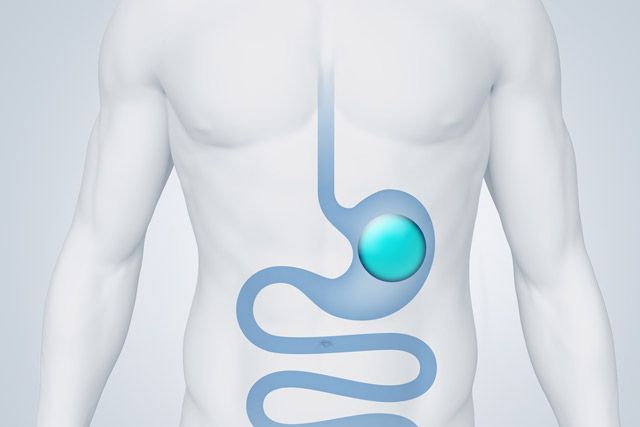
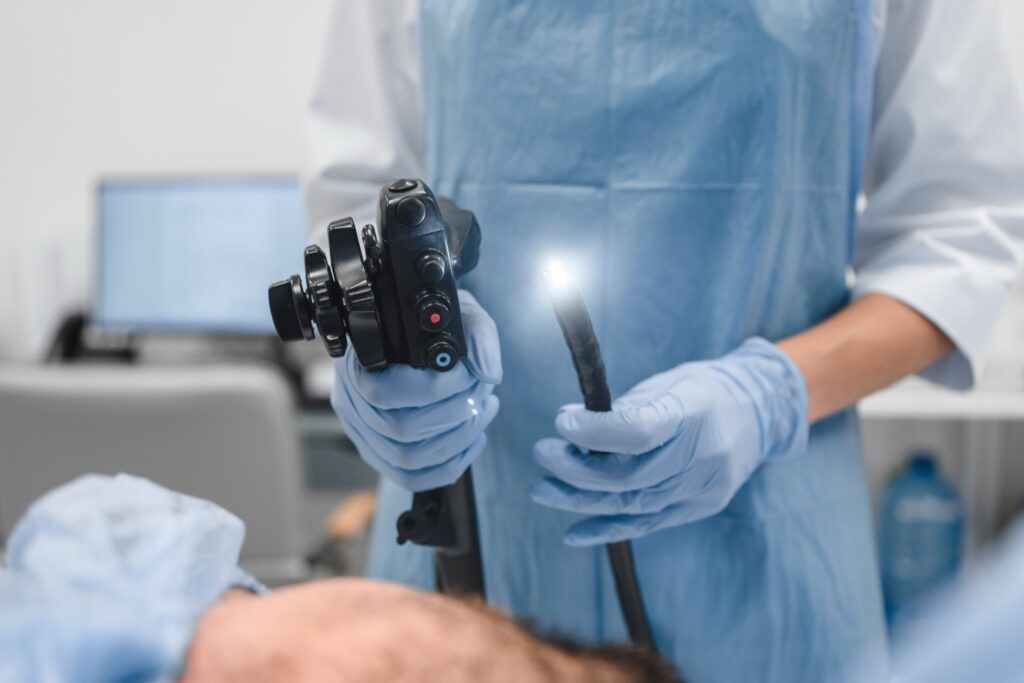
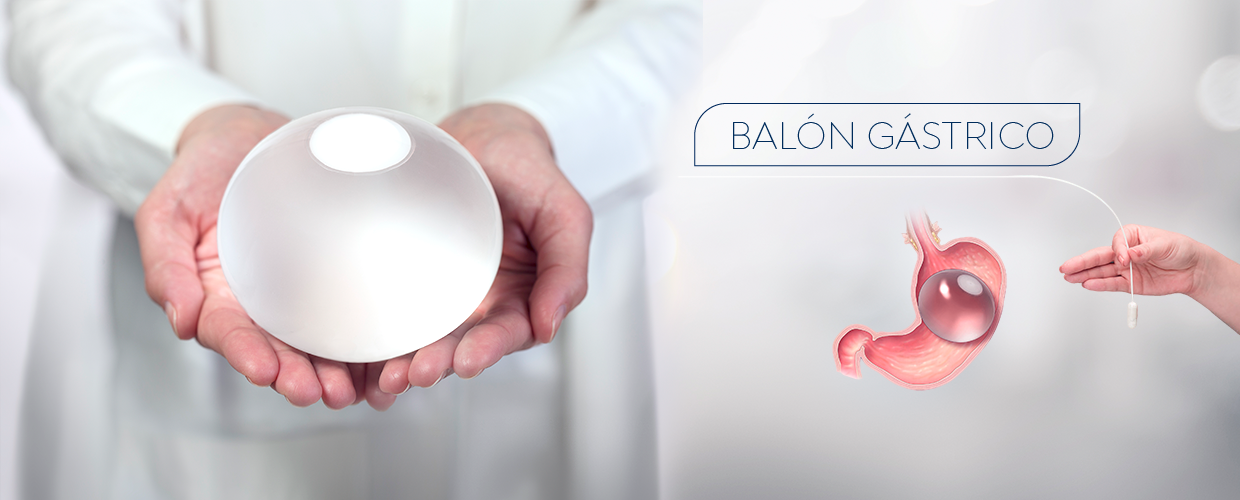
A gastric balloon is a soft device placed inside the stomach through endoscopy (no incisions). It's filled to take up space and help you feel full with smaller portions. In simple terms, the balloon helps:
- Reduce meal sizes without the same feeling of being left hungry
- Cut down on snacking between meals
- Create a window of time to retrain habits
Mayo Clinic explains that intragastric balloons help with weight loss by promoting faster satiety and that they work best when combined with a supervised lifestyle and nutrition program. According to Mayo Clinic, the balloon typically stays in place for up to six months (Mayo Clinic – Intragastric balloon).
The Orbera Gastric Balloon: What Sets It Apart and Who Can Benefit
The Orbera gastric balloon is one of the most widely used intragastric balloons. It's considered a temporary tool within a comprehensive medical plan. It's typically considered for people with overweight or obesity who:
- Have tried to lose weight through diet and exercise without lasting success
- Are looking for a non-surgical option before considering bariatric surgery
- Are willing to follow medical check-ins and a structured nutrition plan
Safety and results depend on an individual evaluation (medical history, GI symptoms, medications, realistic goals). Like any medical procedure, the gastric balloon carries risks and benefits that your doctor should walk you through during a consultation before deciding if it's right for you. The FDA provides information on intragastric balloons, including safety considerations and the importance of medical follow-up (FDA – Weight-Loss and Weight-Management Devices).
Expected Results: How Much Weight Can You Lose With a Gastric Balloon?
Results vary based on your starting point, adherence, and support, but the medical evidence shows short-term weight-loss benefits during the period the balloon is in place. A systematic review and meta-analysis published in Obesity Surgery, which included 13 randomized controlled trials with more than 1,500 patients, found that the intragastric balloon is more effective than lifestyle management alone for weight loss (Kotinda et al., 2020 – Obesity Surgery).
One key point: the balloon doesn't do all the work on its own. Its biggest value is helping you lose weight while building habits to maintain it once the balloon is removed.
The Role of Your San Diego Dietitian + Meal Planning Tips to Maximize Results
Working with a dietitian — like Naria Le Mire, RD, our bilingual registered dietitian — often makes the difference between losing weight "while the balloon is in" and keeping results long-term. It also helps reduce early discomfort (nausea, reflux, bloating) by adjusting portion size, consistency, and eating pace.
Here are practical, realistic meal planning tips:
- Plan protein first (at every meal). Prioritize options like eggs, chicken, fish, Greek yogurt, tofu, or legumes (based on tolerance). Protein supports satiety and protects muscle mass.
- Small portions, big structure. Instead of improvising, plan for 3 small meals and 1–2 planned snacks (if your plan includes them). Avoid grazing all day.
- Choose carbs with intention. Favor measured portions of oats, rice, potato, or whole-grain bread (if tolerated), and limit sugary drinks or juices, which add calories without satiety.
- Texture and tolerance: listen to your body. Early on, many patients tolerate soft foods better. Eating slowly and chewing well reduces nausea and pressure.
- Stay hydrated, but not too much during meals. Drinking a lot of fluid with meals can increase discomfort for some patients. It's better to hydrate between meals as directed.
- Keep healthy "emergency meals" on hand. Examples: high-protein yogurt, canned tuna in water, light soups, cottage cheese, soft fruit, turkey. This helps avoid impulsive choices.
- Build your "post-balloon plan" from day one. Your dietitian will help you create sustainable habits for once the balloon is removed — that's where long-term success is defined.
The gastric balloon (including the Orbera gastric balloon) can be an excellent non-surgical option to start weight loss and build better habits. The best results happen with medical follow-up, nutrition support, and a practical meal plan tailored to your lifestyle.
If you're considering a gastric balloon and want to know whether you're a candidate, what results you might expect, and what your follow-up plan would look like, fill out the contact form on our website or call us at (619) 382-3315. Our team at Gastro SB Clinic can guide you step by step. Learn more on our gastric balloon / weight loss clinic page.
To learn more about nutrition support with Naria Le Mire, RD, visit our nutrition and dietetics page.
Important Notice
This article is for informational purposes only and does not replace a medical consultation. Results vary from person to person, and every procedure carries risks and benefits that your doctor should explain before you decide. If you have warning symptoms or questions about whether you're a candidate, schedule an evaluation with our team.