

Gastric Balloon efficacy: What results can you expect?
If you've tried diet and exercise without lasting results, it's natural to wonder what options exist before considering surgery. The gastric balloon is a non-surgical, minimally invasive alternative that can help you lose weight and build new habits. In this article, we explain how effective it really is, which factors influence results, and why nutritional support makes such a difference. If you know someone exploring the gastric balloon, share this post on social media — it may help them make an informed decision.
What is a gastric balloon and how does it help with weight loss?
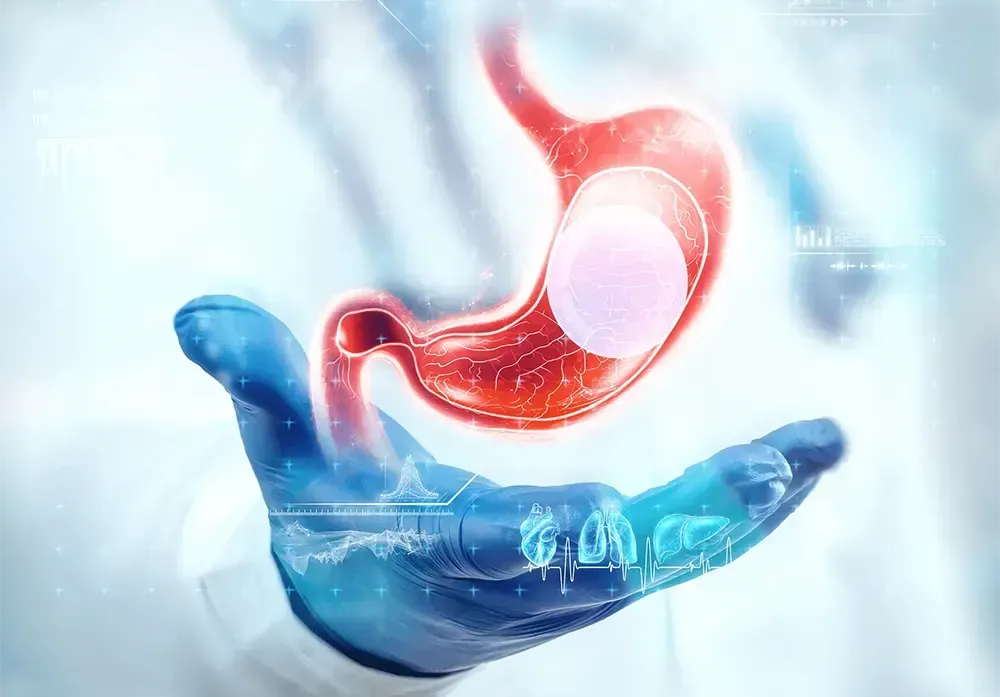
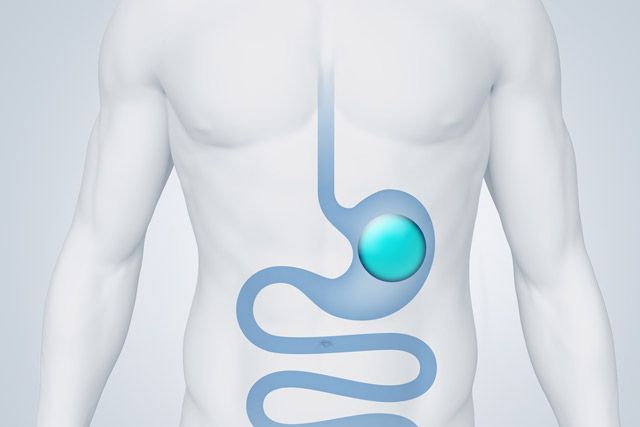
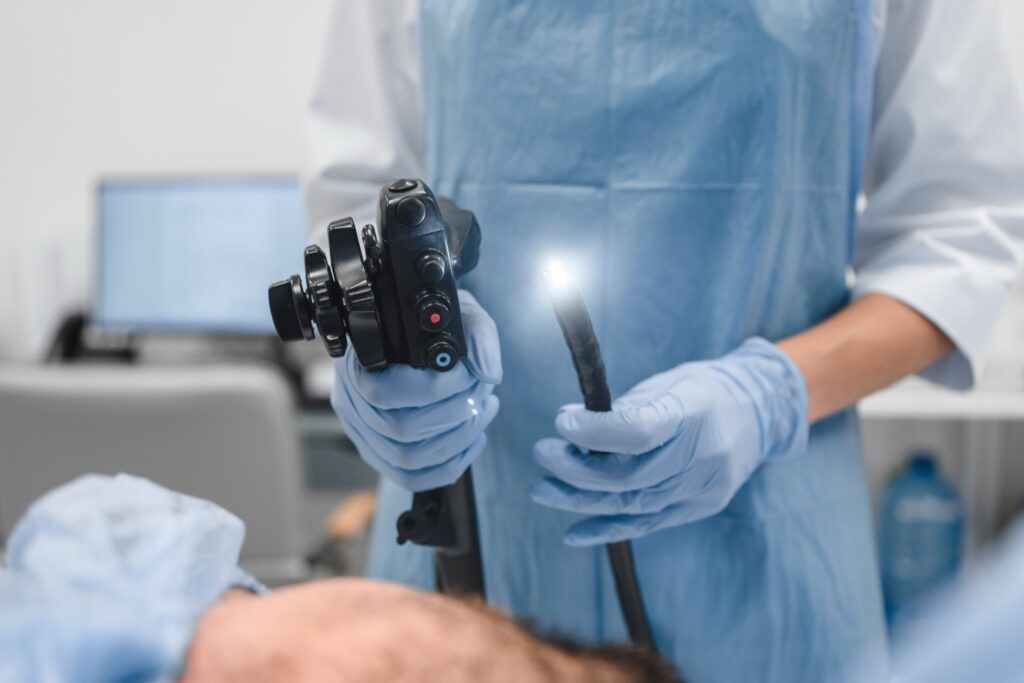
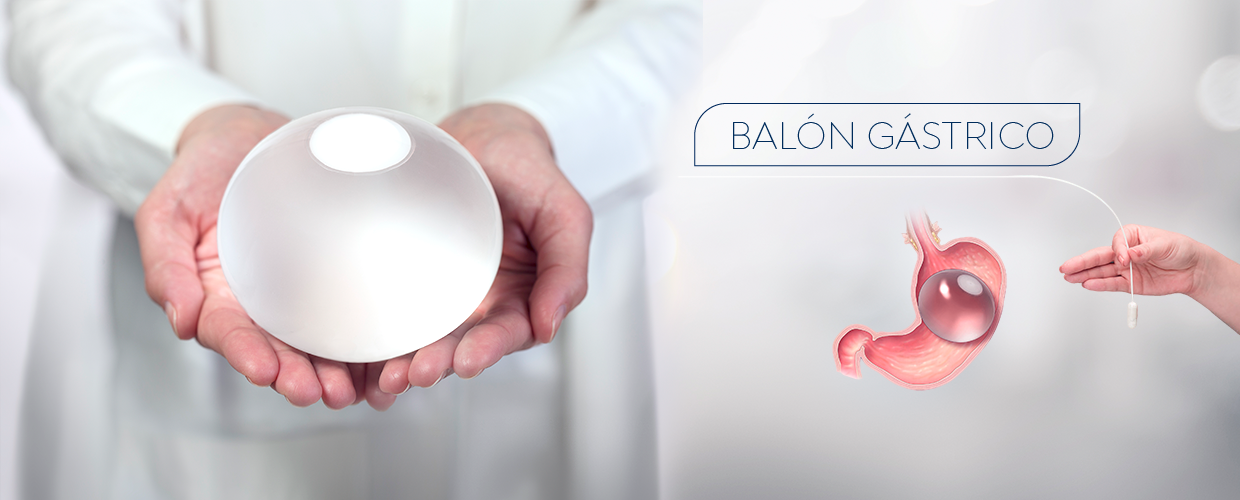
A gastric balloon is a soft device placed inside the stomach, usually through endoscopy, and then filled to take up space. By reducing the stomach's "usable capacity," many patients feel full on smaller portions and experience less snacking between meals.
Eating less, and with more structure, also makes it easier to build a new eating pattern that can be sustained after the balloon is removed. In other words: the balloon is a tool, and the real change happens through the habits built while it's in place.
Mayo Clinic explains that intragastric balloons support weight loss by helping patients feel full faster, and that they work best as part of a supervised nutrition and lifestyle program (Mayo Clinic – Intragastric balloon).
How effective is the Orbera gastric balloon?
Effectiveness can vary depending on the type of balloon, how long it stays in place, the patient's starting point (weight, BMI), and their level of follow-up. Clinical studies commonly report results as:
- Total body weight loss (percentage of total body weight lost).
- Excess weight loss (percentage of "extra" weight lost relative to ideal body weight).
Available studies on intragastric balloons show clinically meaningful short-term weight loss, though the size of the benefit — and how well it's maintained — depends on the accompanying program and behavioral changes.
In clinical practice, many patients see the biggest drop in the first few months. The Orbera gastric balloon is designed to take advantage of that window to help consolidate habits that support keeping the results after the balloon is removed. The manufacturer also describes Orbera as part of a medical weight-loss plan that includes nutrition and lifestyle changes (Orbera – system information).
What factors most influence success (and managing digestive issues)
Success doesn't depend on the procedure alone. The factors with the biggest impact tend to be:
- Medical and nutritional follow-up. Patients with regular check-ins tend to get better results and tolerate the balloon better.
- Real changes in eating habits. The balloon limits volume, but choosing high-calorie foods or sugary drinks reduces results.
- Progressive physical activity, tailored to the individual.
- Properly managing digestive issues. Early on, some patients experience nausea, reflux, or bloating. If these digestive issues aren't managed well, they can interfere with the eating plan or hydration — which is why clear instructions and professional support from day one matter.
The FDA also publishes safety information and considerations about intragastric balloons, reinforcing the importance of medical evaluation and structured follow-up (FDA – Intragastric balloons).
As with any medical procedure, the gastric balloon has both benefits and risks — nausea, reflux, bloating and, in rare cases, more serious complications — that your doctor should walk you through in detail before deciding if it's the right option for you.
Why a San Diego dietitian can improve your gastric balloon results
One of the most common reasons for "so-so" results is not having a clear nutrition strategy. Working with a bilingual San Diego dietitian helps you:
- Follow the phased post-placement diet (liquids → purées → solids).
- Maintain adequate protein intake to protect muscle mass.
- Plan realistic portions and meal timing.
- Manage cravings, emotional eating, and calorie-dense snacking.
- Prepare for the period after the balloon is removed — key to keeping the weight off.
The goal isn't just to lose weight during the months the balloon is in place, but to maintain those results long-term. Learn more about our program on our Weight Loss Clinic page.
The gastric balloon is an effective option for short-term weight loss and can be a great kickstart for building new habits, especially within a structured program. Devices like the Orbera gastric balloon are backed by clinical evidence and work best alongside medical follow-up, proper management of early digestive issues, and nutritional support.
This article is for informational purposes only and does not replace a medical consultation. If you experience warning signs such as bleeding, severe abdominal pain, or unintentional weight loss, schedule an appointment as soon as possible.
If you're considering a gastric balloon and want to know whether you're a candidate and what results you might expect, contact us or
call (619) 382-3315. Our team can guide you through the evaluation and the options available.