

Gastric Balloon for Weight Loss: What It Is, How It Works, and How to Maximize Your Results
Losing weight is not always achieved through diet and exercise alone. Constant hunger, oversized portions, and weight-loss plateaus can make the process difficult, even when motivation is high. In this context, the Gastric Balloon has become a non-surgical alternative for individuals seeking to initiate significant weight loss while building sustainable long-term habits.
Understanding how this procedure works, who may benefit from it, and what results to expect is essential for making an informed decision.
What Is a Gastric Balloon?
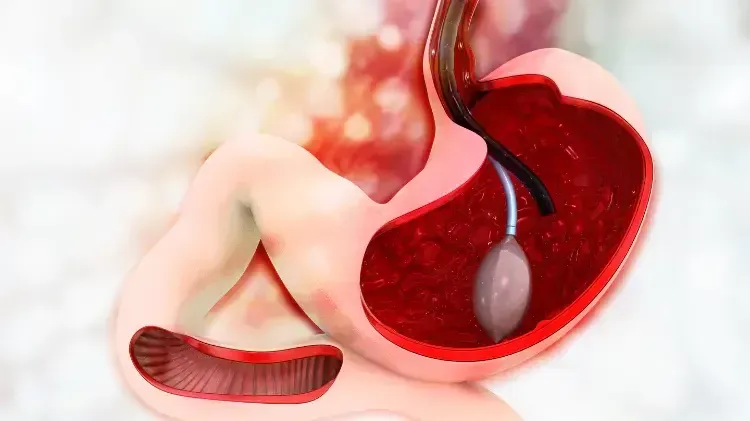
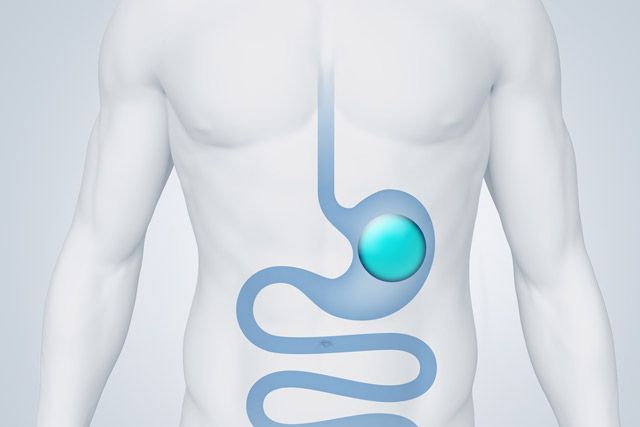
A Gastric Balloon is a soft device, usually made of silicone, that is placed inside the stomach through an endoscopic procedure, without surgery or incisions.
For this reason, it is also commonly referred to as an Endoscopic Gastric Balloon, as it is inserted through the mouth using an endoscope. Once in place, the balloon is filled — typically with saline solution — to occupy space inside the stomach.
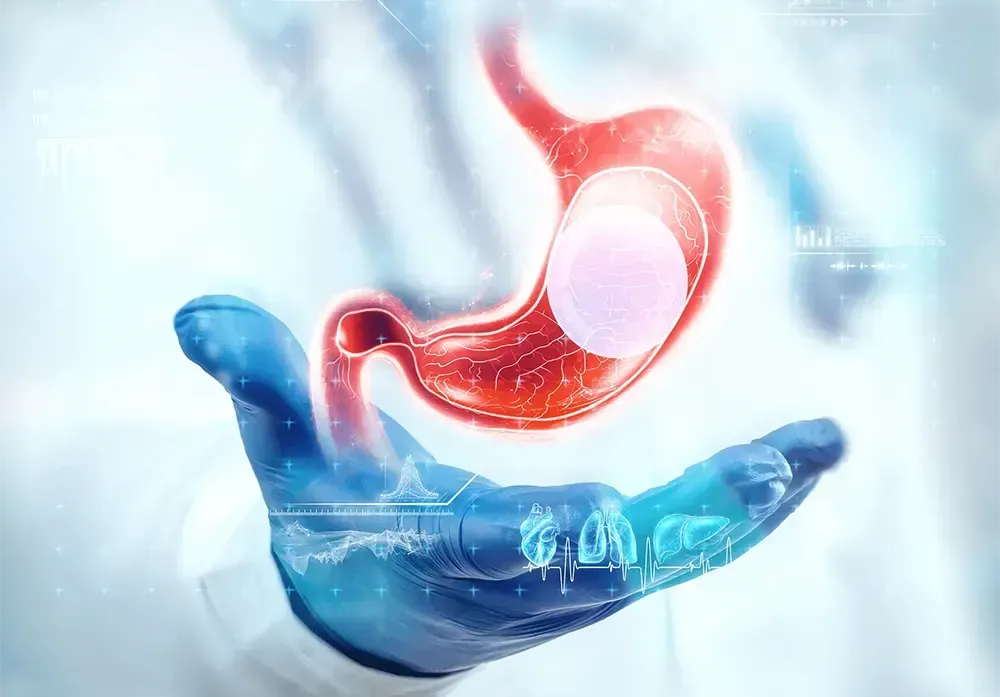
Its primary purpose is to help patients feel full with smaller portions, reducing calorie intake and supporting the adoption of healthier eating habits.
According to the Mayo Clinic, intragastric balloons can promote weight loss by creating a feeling of fullness sooner and supporting sustainable lifestyle changes when used as part of a medically supervised program.
Orbera Gastric Balloon: What Makes It Different?
The Orbera Gastric Balloon is one of the most widely used intragastric balloons worldwide and has extensive clinical experience supporting its use.
It is generally recommended for individuals who are overweight or living with obesity and who:
- Have tried traditional weight-loss methods without long-term success.
- Are looking for a non-surgical alternative.
- Are willing to commit to lifestyle and dietary changes with medical follow-up.
It is important to understand that the gastric balloon is not a “magic solution” or a replacement for healthy habits. Its role is to serve as a temporary tool that helps patients develop new routines related to nutrition, portion control, and overall lifestyle.
The FDA notes that these devices should be used only in carefully selected patients and always under medical supervision, taking both benefits and potential risks into consideration.
How Much Weight Can You Lose with a Gastric Balloon?
Results can vary significantly from one patient to another. In most cases, the greatest weight loss occurs during the first months after the procedure.
Several scientific studies have shown that intragastric balloons can lead to clinically significant short-term weight loss, especially while the device remains in place. However, maintaining results depends largely on long-term habits and continued medical and nutritional support.
A meta-analysis published in Obesity Surgery concluded that intragastric balloons can contribute to meaningful weight reduction, although outcomes vary depending on patient adherence and the level of support provided.
Factors That Influence Treatment Success
- Regular medical follow-up.
- A structured nutritional plan.
- Physical activity adapted to the patient’s needs.
- Sleep quality.
- Consistency in daily habits.
The Role of a San Diego Dietitian in Gastric Balloon Success
One of the most important factors in maintaining long-term results is professional guidance.
Working with a San Diego Dietitian helps patients develop personalized strategies to:
- Adapt to eating after the procedure.
- Recognize hunger and fullness cues.
- Improve the nutritional quality of their diet.
- Prevent weight regain.
- Maintain sustainable habits once the balloon is removed.
The gastric balloon can be an effective tool, but lasting transformation happens when it is combined with nutritional education, physical activity, and comprehensive medical support.
Is the Gastric Balloon Right for Everyone?
Not everyone is a candidate for this procedure. A medical evaluation is essential to determine whether a gastric balloon is the most appropriate option based on a patient’s medical history, body mass index, and health goals.
It is also important to know that temporary side effects may occur during the first few days, including nausea, reflux, or abdominal discomfort, especially while the body adapts to the device.
For this reason, the procedure should only be performed under specialized medical supervision.
The Gastric Balloon represents a non-surgical option that can help initiate significant weight loss and support sustainable lifestyle changes.
However, the best outcomes are achieved when it is part of a comprehensive program that includes medical supervision, nutritional education, and long-term healthy habits.
If you are considering a gastric balloon, consulting with weight-loss and nutrition specialists can help determine whether this option is right for you and how to maximize your results safely.