

Gastric Balloon (Orbera) and Diabetes Management: How It Can Help and What You Should Know
For people living with prediabetes or type 2 diabetes, losing weight can meaningfully improve blood glucose control, blood pressure, and triglycerides. However, sustained weight loss through diet and exercise alone isn't always easy to achieve. The Gastric Balloon —especially the Orbera Gastric Balloon— is a non-surgical, endoscopic option that can support weight loss and, in turn, contribute to better metabolic management. If you know someone with diabetes who's looking for a safe, medically supervised option, share this article on social media.
What Is the Orbera Gastric Balloon, and Why Is It Called an Endoscopic Gastric Balloon?
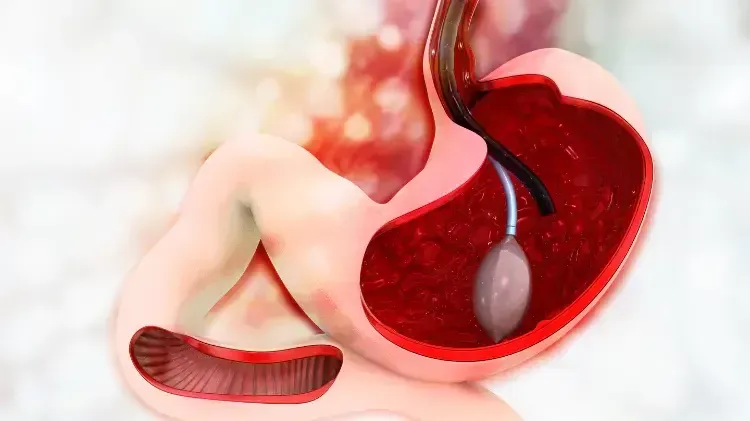
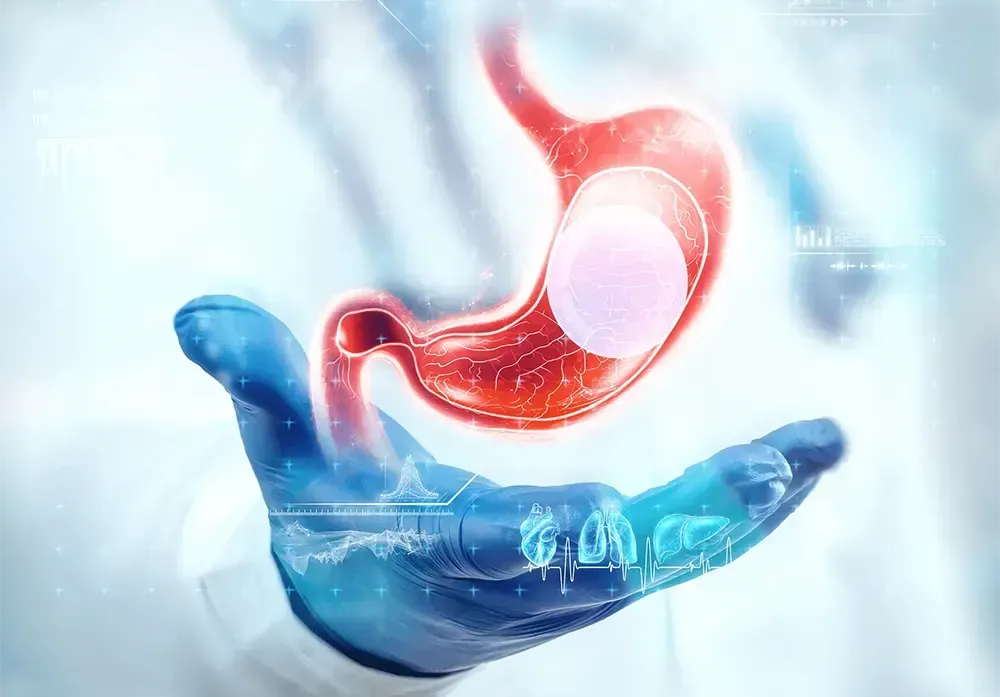
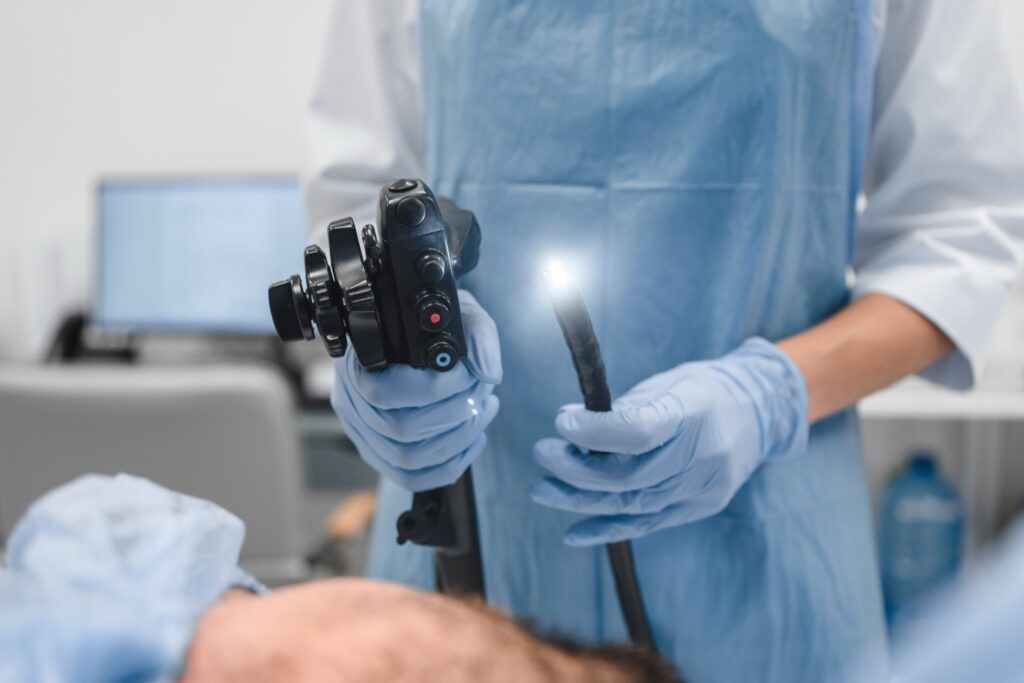
The Orbera Gastric Balloon is a silicone balloon placed in the stomach through endoscopy, with no incisions — which is why it's classified as an Endoscopic Gastric Balloon. Once placed, it's filled (typically with saline solution) to take up space and create a feeling of fullness more quickly, helping reduce portion sizes and support a lower-calorie eating plan.
The balloon is temporary and part of a comprehensive medical program that includes follow-up visits, a nutrition plan, physical activity, and behavioral changes. Mayo Clinic describes the intragastric balloon as a non-surgical weight-loss option that works best when combined with a supervised lifestyle program (Mayo Clinic – Intragastric Balloon).
How Can a Gastric Balloon Support Diabetes Management?
In many people, weight reduction is associated with:
- Lower fasting glucose levels
- Improved insulin resistance
- Reduced HbA1c (average blood glucose over ~3 months)
- Reduced need for certain medications (always under medical supervision)
The logic is straightforward: losing weight reduces metabolic load and improves insulin sensitivity. That said, the balloon is not a "direct treatment" for diabetes — its impact comes from the change in weight and habits it supports.
The American Diabetes Association (ADA) recognizes that weight loss — especially in people with overweight or obesity — is a fundamental part of managing type 2 diabetes and can improve metabolic markers while reducing cardiovascular risk (ADA – Standards of Care).
Key Safety Considerations for People With Diabetes
If you have diabetes and are considering a Gastric Balloon, there are important points your medical team will review:
1. Risk of hypoglycemia (low blood sugar)
Eating less and changing your diet may require adjustments to certain medications, such as insulin or sulfonylureas. This needs to be planned from the outset.
2. Nausea, vomiting, and dehydration
The first few days with the balloon can cause nausea or vomiting. For people with diabetes, hydration and glucose control are especially important. Persistent vomiting should be reported to your medical team right away.
3. Diabetic gastroparesis (if present)
Some people with diabetes have delayed gastric emptying. This can affect how well the balloon is tolerated and how the nutrition plan is structured. Individualized evaluation is required.
The FDA also provides information on the benefits and risks of intragastric balloons, along with the importance of proper patient selection and medical follow-up (FDA – Intragastric Balloons).
The Role of a San Diego Dietitian: Better Results and Safer Glucose Control
For patients with prediabetes or diabetes, nutritional support doesn't just improve weight-loss outcomes — it also makes the process safer.
Working with a San Diego Dietitian can help you:
- Plan a staged diet after placement (liquids → purées → solids)
- Distribute carbohydrates to avoid glucose spikes and crashes
- Ensure adequate protein intake to protect muscle mass
- Choose well-tolerated foods if reflux or nausea occurs
- Build a realistic plan to maintain results after the balloon is removed
The goal is for weight loss to happen in a structured way — without risky meal-skipping or patterns that destabilize blood glucose.
The Gastric Balloon (including the Orbera Gastric Balloon) can be a useful tool for supporting weight loss and, as a result, improving metabolic control in people with prediabetes or type 2 diabetes. The key is a complete medical evaluation, safe medication adjustments, and professional nutritional support.
If you're considering an Endoscopic Gastric Balloon and want to know whether you're a candidate and how to safely integrate it into your diabetes care plan, fill out the contact form on our website. Our team can guide you through evaluation, expectations, and follow-up.