

Gastric Balloon and Diabetes: Support for Blood Sugar Control
For many people with prediabetes or type 2 diabetes, losing weight can be one of the most impactful steps for their health: it can improve blood sugar, reduce insulin resistance, and, in some cases, lower the need for certain medications (always under medical supervision). But losing weight — and keeping it off — isn't easy. A gastric balloon, including the Orbera gastric balloon, is a non-surgical option that can jump-start weight loss and make habit change easier. In this article, we explain the link between the gastric balloon and diabetes and share practical meal planning tips. If you know someone struggling with their weight and blood sugar, share this article on social media.
Why Does Weight Loss Improve Diabetes?
In type 2 diabetes, the body often develops insulin resistance, which makes it harder for glucose to enter the cells. Weight loss can improve that resistance and support:
- Lower fasting blood sugar
- Better blood sugar control after meals
- A lower HbA1c (your average blood sugar over the past 2–3 months)
- Improved blood pressure and triglycerides
The American Diabetes Association (ADA) recognizes weight loss as a central part of managing type 2 diabetes in people with overweight or obesity, with significant metabolic benefits (ADA – Standards of Care).
What Is a Gastric Balloon, and How Can It Help With Diabetes?
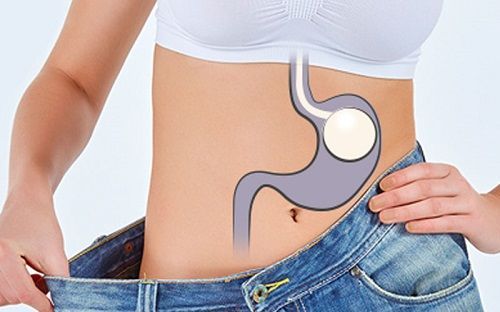
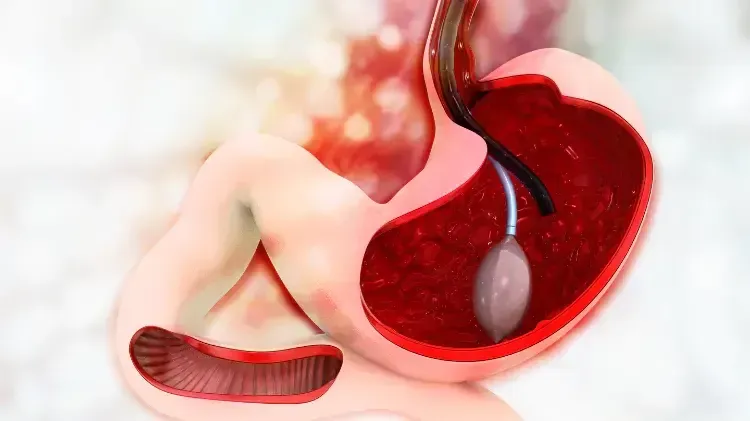
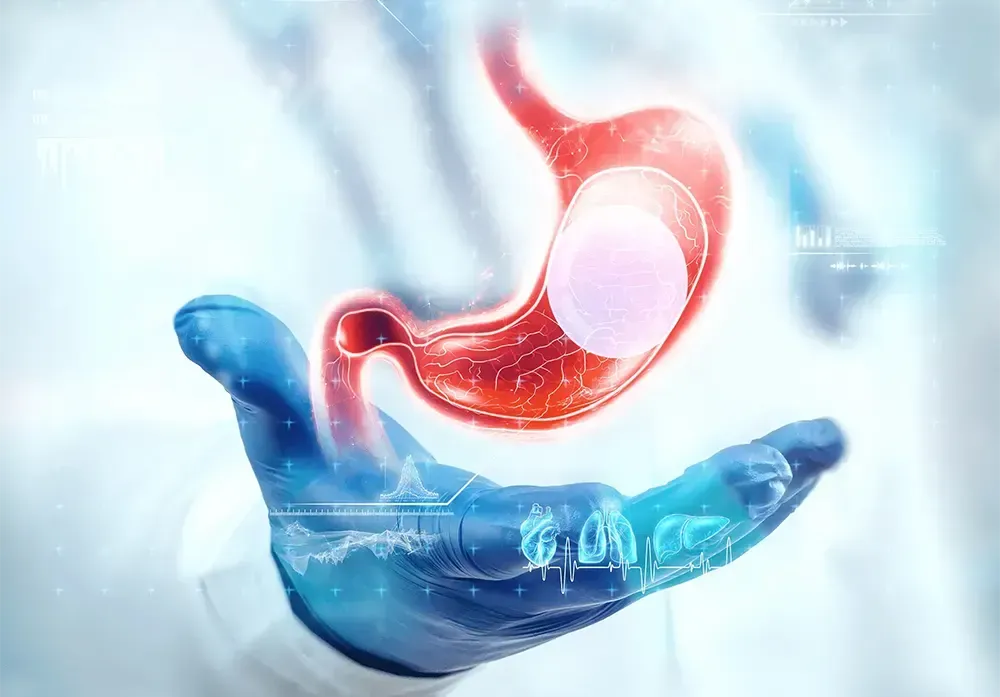
A gastric balloon is a device placed inside the stomach through endoscopy, with no incisions. By taking up space, it helps you feel full with smaller portions and makes it easier to follow a lower-calorie meal plan. For people with diabetes, the benefits usually come in two ways:
- Weight loss, which reduces insulin resistance.
- Eating structure, which helps prevent blood sugar spikes from large or irregular meals.
Mayo Clinic explains that intragastric balloons can support weight loss and work best as part of a supervised program that includes lifestyle changes (Mayo Clinic – Intragastric balloon).
Orbera Gastric Balloon and Diabetes: What Should You Know First?
The Orbera gastric balloon is one of the most widely used intragastric balloon options. If you have diabetes or prediabetes, your evaluation should be especially thorough so your care team can plan for:
- Medication adjustments: as you eat less and lose weight, some people may need dose changes — especially if they take insulin or sulfonylureas — to avoid hypoglycemia (low blood sugar). Never adjust your medications on your own; your doctor will guide you.
- Early tolerance: nausea or vomiting can occur in the first few days, so preventing dehydration and monitoring blood sugar are key.
- Related conditions: for example, if diabetic gastroparesis (slow stomach emptying) is suspected, an individual evaluation is needed.
The FDA provides information on intragastric balloons, including safety considerations, potential risks, and the importance of medical follow-up (FDA – Intragastric balloons). Like any procedure, a gastric balloon has risks and benefits that your doctor should explain during a consultation before deciding whether it's right for you.
How Does a San Diego Dietitian Help You Control Blood Sugar With a Balloon?
With a gastric balloon, how you eat matters as much as what you eat. Working with our bilingual San Diego dietitian, helps you keep a diet that is safe, tolerable, and effective for weight loss — without losing control of your blood sugar.
6 Meal Planning Tips for Diabetes and a Gastric Balloon
- Include protein at every meal. It supports fullness and helps reduce blood sugar spikes. Examples: eggs, fish, chicken, unsweetened Greek yogurt, tofu.
- Keep carbohydrate portions small and consistent. Instead of cutting them out completely, spread them through the day: oatmeal, rice, beans, or fruit in measured portions according to your plan.
- Avoid liquid calories. Juices, sodas, sweetened drinks, and "specialty" coffees can raise blood sugar without keeping you full (and with a balloon, they can slow your results).
- Plan 3 small meals (plus snacks if recommended). Structure reduces grazing and helps keep blood sugar steadier.
- Eat slowly and chew well. With a balloon, eating fast can cause pain or nausea and lead to impulsive food choices later.
- Keep "safe" options at home. Tuna, turkey, high-protein yogurt, cooked vegetables, light soups, or cottage cheese help you avoid improvising when hunger hits.
Summary and Call to Action
A gastric balloon — including the Orbera gastric balloon — can be a helpful tool for people with type 2 diabetes or prediabetes who need to lose weight and build structured habits. The keys are a complete medical evaluation, safe medication adjustments, and nutrition support from a San Diego dietitian. With good meal planning tips, you're more likely to sustain results and improve blood sugar control.
If you're considering a gastric balloon and want to know whether you're a candidate — or how to safely fit it into your diabetes plan — fill out the contact form on our website or call us at (619) 382-3315. Our team at Gastro SB Clinic can guide you through the next steps.
This article is for informational purposes only and does not replace a medical consultation. Results vary from person to person, and every procedure carries risks and benefits that your doctor should explain. Do not change your diabetes medications without medical guidance. If you have symptoms such as very low or very high blood sugar, persistent vomiting, severe abdominal pain, or unintentional weight loss, seek medical care.
Gastro SB Clinic offers comprehensive treatment for a wide range of gastrointestinal and nutritional conditions.