

Assets for Colorectal Cancer Alliance & Colon Cancer

Do you know that screening is the No. 1 way to prevent colorectal cancer (and colon cancer ), the second deadliest cancer in men and women combined? It can also help detect cancer early, when it’s still highly treatable. Screening is important, safe, and saves lives! As a healthcare professional ( gastroenterologist ), I encourage you to take the pledge to #GetScreened for colorectal cancer at pledge.getscreened.org
Why colorectal cancer screening matters
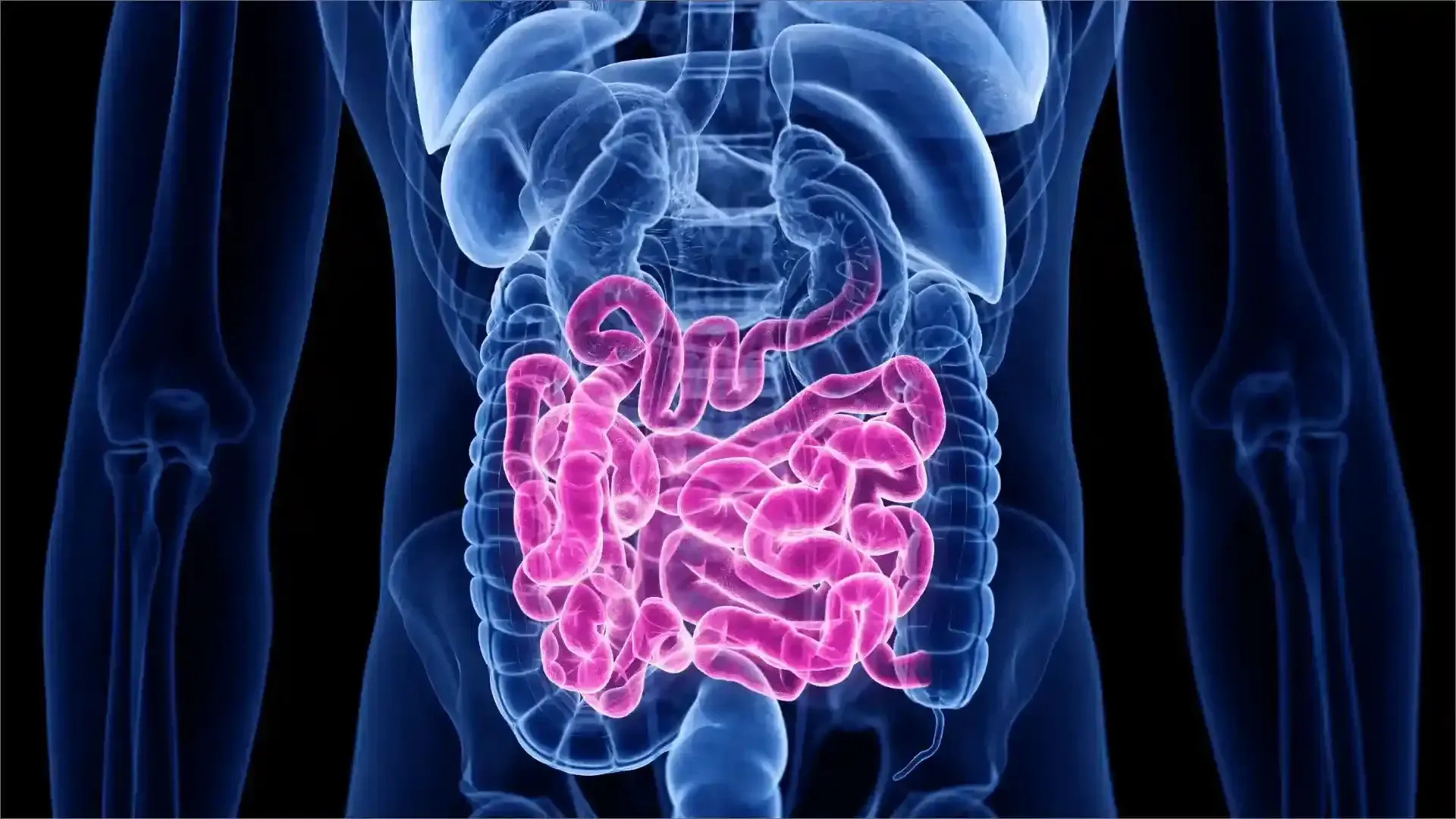
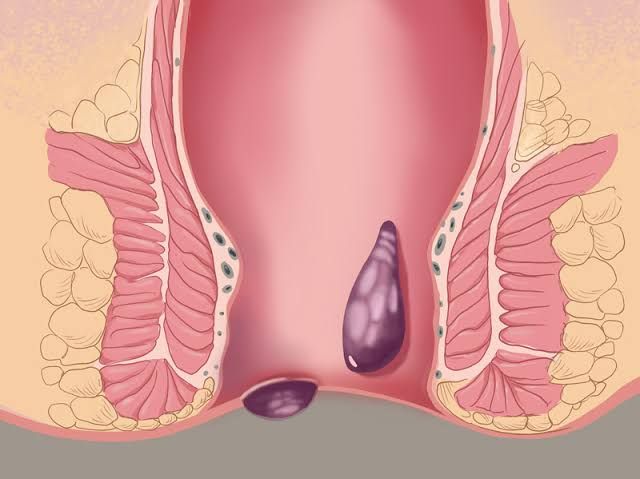
Colorectal cancer often develops from small growths in the colon or rectum called polyps. Many polyps cause no symptoms, which is why screening is recommended even when you feel well. Finding and removing polyps during a colonoscopy can prevent cancer from developing, and detecting cancer early makes it much easier to treat.
Who should be screened and when
The U.S. Preventive Services Task Force and the American Cancer Society recommend that adults at average risk begin regular screening at age 45. People with a family history of colorectal cancer or polyps, inflammatory bowel disease, or symptoms such as rectal bleeding, a change in bowel habits, or unexplained weight loss may need to start earlier or be evaluated right away.
Colorectal cancer screening options
- Colonoscopy: lets the gastroenterologist examine the entire colon and remove polyps during the same visit.
- Stool-based tests: such as FIT or multitarget stool DNA tests, which look for hidden blood or abnormal DNA and are repeated on a schedule. An abnormal result needs a follow-up colonoscopy.
Talk with a gastroenterologist about which option fits your age, health history, and risk level.
Need to see a specialist? Gastro SB Clinic in Chula Vista can evaluate and treat this. Learn about colonoscopy in Chula Vista, call (619) 382-3315 or request an appointment.
#ColorectalCancerAwarenessMonth

The post Assets for Colorectal Cancer Alliance & Colon Cancer appeared first on Gastro SB.
Gastro SB Clinic offers comprehensive treatment for a wide range of gastrointestinal and nutritional conditions.