

The Impact of Obesity on Cardiovascular Disease: Exploring the Role of Gastric Balloon
Obesity is a significant risk factor for cardiovascular disease, contributing to various health complications and increasing the burden on the heart and blood vessels. In this article, we will delve into the relationship between obesity and cardiovascular disease, with a focus on the potential role of gastric balloon intervention in managing weight and improving heart health. Understanding how gastric balloons can impact obesity-related cardiovascular risks is crucial for individuals seeking effective strategies for heart disease prevention.
The Link Between Obesity and Cardiovascular Disease:
Obesity is associated with a higher risk of developing cardiovascular conditions such as hypertension, coronary artery disease, and stroke. Excess weight can strain the heart, raise cholesterol levels, and increase the likelihood of developing atherosclerosis, highlighting the importance of addressing obesity in cardiovascular disease prevention.
Exploring the Benefits of Gastric Balloon for Weight Management:
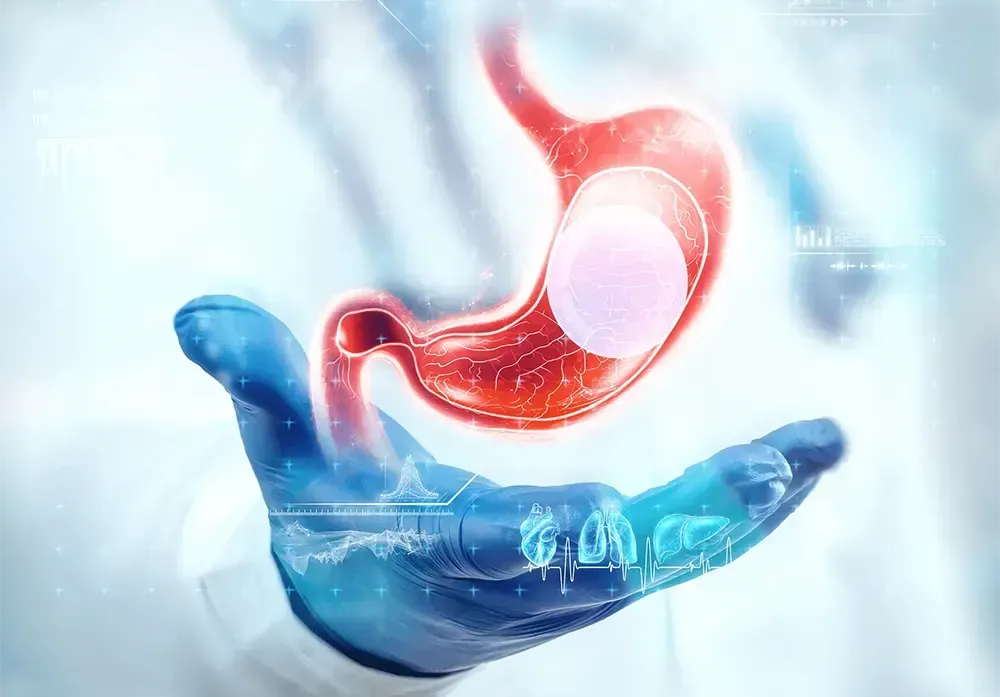
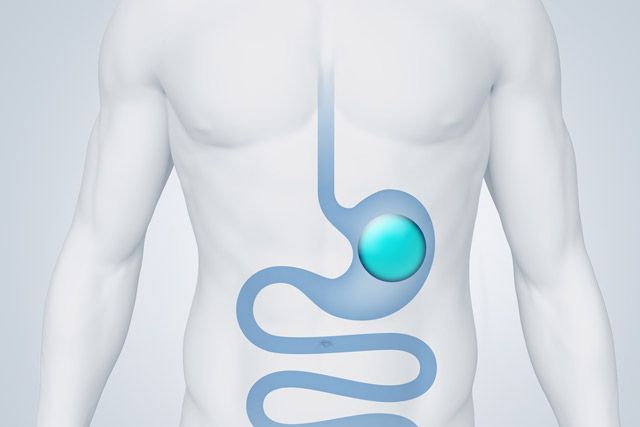
Gastric balloons, like the Orbera gastric balloon, offer a non-surgical approach to weight loss by reducing stomach capacity and promoting satiety. By aiding in weight reduction, gastric balloons can help individuals lower their cardiovascular risk factors and improve heart health outcomes.
Collaborating with a San Diego Dietitian for Comprehensive Care:
Working with a San Diego dietitian can complement gastric balloon therapy by providing personalized nutrition guidance and lifestyle recommendations. A tailored diet plan can support weight management goals, optimize cardiovascular health, and enhance the overall well-being of individuals undergoing gastric balloon treatment.
Endoscopic Gastric Balloon: A Minimally Invasive Approach to Weight Loss:
The endoscopic placement of gastric balloons is a minimally invasive procedure that offers individuals a safe and effective option for weight loss. The Endoscopic Gastric Balloon procedure can assist in jumpstarting weight management efforts, supporting cardiovascular health improvements, and promoting long-term wellness.
In conclusion, addressing obesity is essential in reducing the risk of cardiovascular disease and improving heart health outcomes. By considering interventions like gastric balloons, collaborating with healthcare professionals like dietitians, and embracing minimally invasive approaches to weight management, individuals can take proactive steps towards a healthier lifestyle and reduced cardiovascular risks.