

Navigating the Diagnosis of Irritable Bowel Syndrome: Insights from a Gastroenterologist
Diagnosing irritable bowel syndrome (IBS) can be a complex process that requires expertise and precision. In this article, we will explore the essential aspects of diagnosing IBS, shedding light on the role of a gastroenterologist in identifying and managing this common digestive disorder. From understanding digestive issues to collaborating with a San Diego dietitian and addressing symptoms like bloating, accurate diagnosis is key to effective IBS management.
Understanding Irritable Bowel Syndrome and its Challenges:
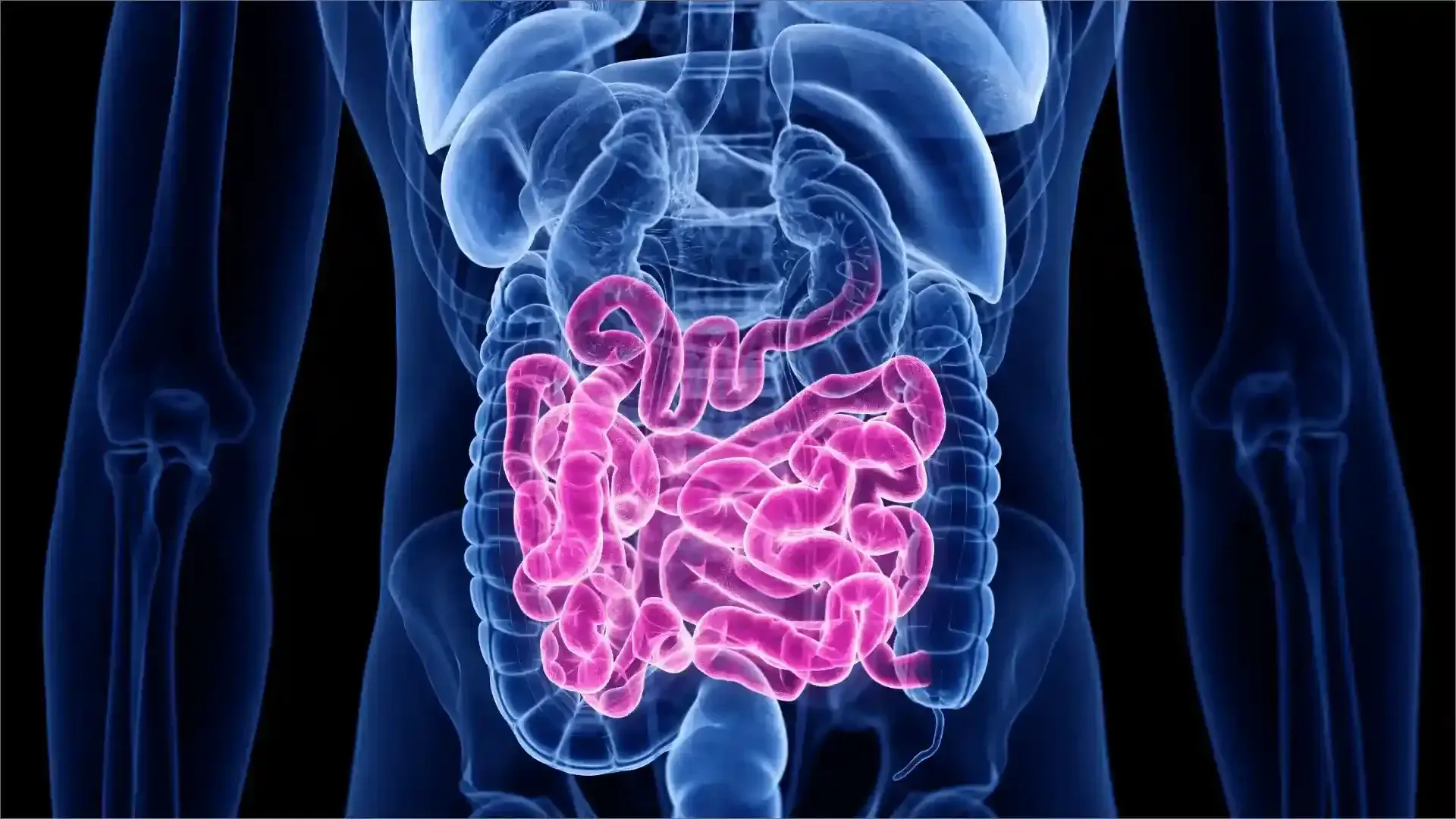
Irritable bowel syndrome is a chronic gastrointestinal disorder characterized by abdominal pain, bloating, and changes in bowel habits. The variability of symptoms and the absence of specific diagnostic tests can make diagnosing IBS a challenging task for healthcare providers.
The Role of a Gastroenterologist in IBS Diagnosis:
A gastroenterologist plays a crucial role in the diagnosis of IBS by conducting a comprehensive evaluation, ruling out other potential conditions, and utilizing diagnostic criteria such as the Rome criteria. Through specialized knowledge and experience, gastroenterologists can provide accurate diagnoses and tailored treatment plans for individuals with IBS.
Collaborating with a San Diego Dietitian for Dietary Management:
Dietary factors play a significant role in IBS symptoms, making collaboration with a San Diego dietitian essential for effective management. A dietitian can help individuals identify trigger foods, develop personalized meal plans, and make dietary modifications to alleviate symptoms and improve digestive health.
Managing Bloating and Other IBS Symptoms:
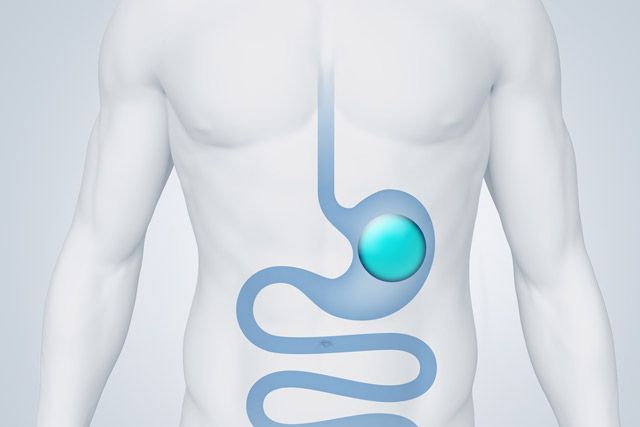
Bloating is a common symptom of IBS that can significantly impact quality of life. Gastroenterologists and dietitians work together to address bloating and other IBS symptoms through lifestyle modifications, stress management techniques, and targeted therapies to enhance symptom control and overall well-being.
In conclusion, the diagnosis of irritable bowel syndrome requires a multidisciplinary approach involving a gastroenterologist, dietitian, and other healthcare professionals. By understanding the challenges of IBS, collaborating with experts, and addressing symptoms like bloating, individuals can effectively manage their condition and improve their digestive health.