

Hemorrhoid Surgery: Types, Recovery and What to Expect
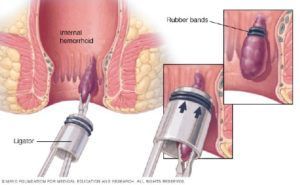
Hemorrhoid surgery is usually reserved for people whose hemorrhoids are large, keep coming back or have not improved with home care and office procedures such as rubber band ligation. Most hemorrhoids never need an operation, but when they do, surgery is effective and recovery is manageable with the right plan.
When is hemorrhoid surgery recommended?
Your doctor may suggest surgery if you have large internal hemorrhoids that prolapse (come out) and do not go back in, severe or repeated bleeding, a large external hemorrhoid or skin tags that cause pain and hygiene problems, or symptoms that persist after fiber, sitz baths and in-office treatments. A medical exam comes first, because rectal bleeding can also come from other conditions.
What are the main surgical options?
- Hemorrhoidectomy: the hemorrhoid tissue is removed under anesthesia. It is the most established option for large or advanced hemorrhoids and tends to give the most lasting result, but it has the most post-operative discomfort.
- Stapled hemorrhoidopexy: a stapling device lifts prolapsed internal hemorrhoids back into place and reduces their blood supply. Pain is often milder at first, but prolapse can come back more often than after a hemorrhoidectomy.
- Other surgical or minimally invasive techniques: some centers also offer procedures such as Doppler-guided artery ligation. Which option fits you depends on the type and grade of your hemorrhoids and your surgeon's experience.
How long is recovery?
Pain and swelling are usually worst in the first days and then improve gradually. Many people return to desk work within one to two weeks, while full healing can take several weeks. Your surgeon will give you specific instructions, but recovery generally includes:
- Pain medicine as prescribed and warm sitz baths several times a day.
- A high-fiber diet, plenty of water and a stool softener to avoid straining.
- Avoiding heavy lifting and long periods of sitting at first.
Is hemorrhoid surgery painful?
Some pain is expected, especially after a hemorrhoidectomy and during the first bowel movements. It is treated with medication, sitz baths and softening the stool. Call your doctor if pain keeps getting worse instead of better.
What are the risks?
Possible risks include pain, bleeding, difficulty urinating for a short time, infection, narrowing of the anal canal and, rarely, problems with bowel control. Hemorrhoids can also come back, especially if constipation and straining continue, so prevention matters after surgery.
When to call your doctor after surgery
Contact your doctor if you have heavy bleeding, fever, severe pain, cannot urinate, or notice swelling or drainage that worsens.
Next step
If you are unsure whether you need surgery, a gastroenterologist can examine you and explain less invasive options first. At Gastro SB in Chula Vista, our bilingual team can evaluate your hemorrhoids and recommend the least invasive treatment that fits your case. Learn more about hemorrhoid treatment at Gastro SB or contact us to schedule a visit. This article is educational and does not replace a medical evaluation.
Gastro SB Clinic offers comprehensive treatment for a wide range of gastrointestinal and nutritional conditions.